What Is Option Chain Analysis?
Understanding NSE Option Chain analysis is an essential skill for traders seeking to make data-driven, strategic decisions. Whether you’re a beginner or an experienced trader, mastering the Option Chain will give you vital insights into market sentiment, volatility, and price movement expectations
But the real question is: How do you read the Option Chain like a professional trader?
In this guide, we’ll walk you through the basics of NSE Option Chain, break down its key components, and share techniques that professional traders use to read it like an expert. By the end of this article, you’ll be well-equipped to analyze Open Interest, Volume, Strike Prices, and Implied Volatility all while spotting market opportunities like a pro
What Is the NSE Option Chain?
The Option Chain is a powerful tool that provides detailed information about the call and put options for a particular stock or index on the National Stock Exchange (NSE). By analyzing the Option Chain, traders gain insights into market sentiment, support and resistance levels, and potential price movements
The Option Chain consists of two main sections:
- Call Options: These give the buyer the right (but not the obligation) to buy the underlying asset at a predetermined price (strike price) within a specific timeframe
- Put Options: These give the buyer the right (but not the obligation) to sell the underlying asset at a predetermined price within a specific timeframe
Understanding how to analyze the Option Chain provides valuable data on market trends and trade strategies
Key Components of the Option Chain
Before diving into the analysis, let’s first understand the important components of an Option Chain:
| Component | Explanation |
| Strike Price | The price at which the underlying asset can be bought or sold when exercising the option. |
| Open Interest (OI) | The total number of open contracts (both call and put options) that have not been closed or exercised. |
| Volume | The number of contracts traded during a specific period. It indicates the level of market activity |
| Bid/Ask Price | The price at which traders are willing to buy (bid) or sell (ask) options |
| Implied Volatility (IV) | The market’s expectation of how volatile the underlying asset will be in the future. Higher IV = higher premiums |
| The Greeks | These include Delta, Gamma, Theta, and Vega, which measure the sensitivity of an option’s price to various factors |
How to Read the NSE Option Chain Like a Pro
Now that you know the key components, let’s dive into how to read the NSE Option Chain like a professional trader. The goal is to identify potential trading opportunities and understand market sentiment
1. Look at Open Interest (OI)
The Open Interest (OI) is a critical indicator in Option Chain analysis. It tells you how many contracts are open and active. It also reflects the market sentiment
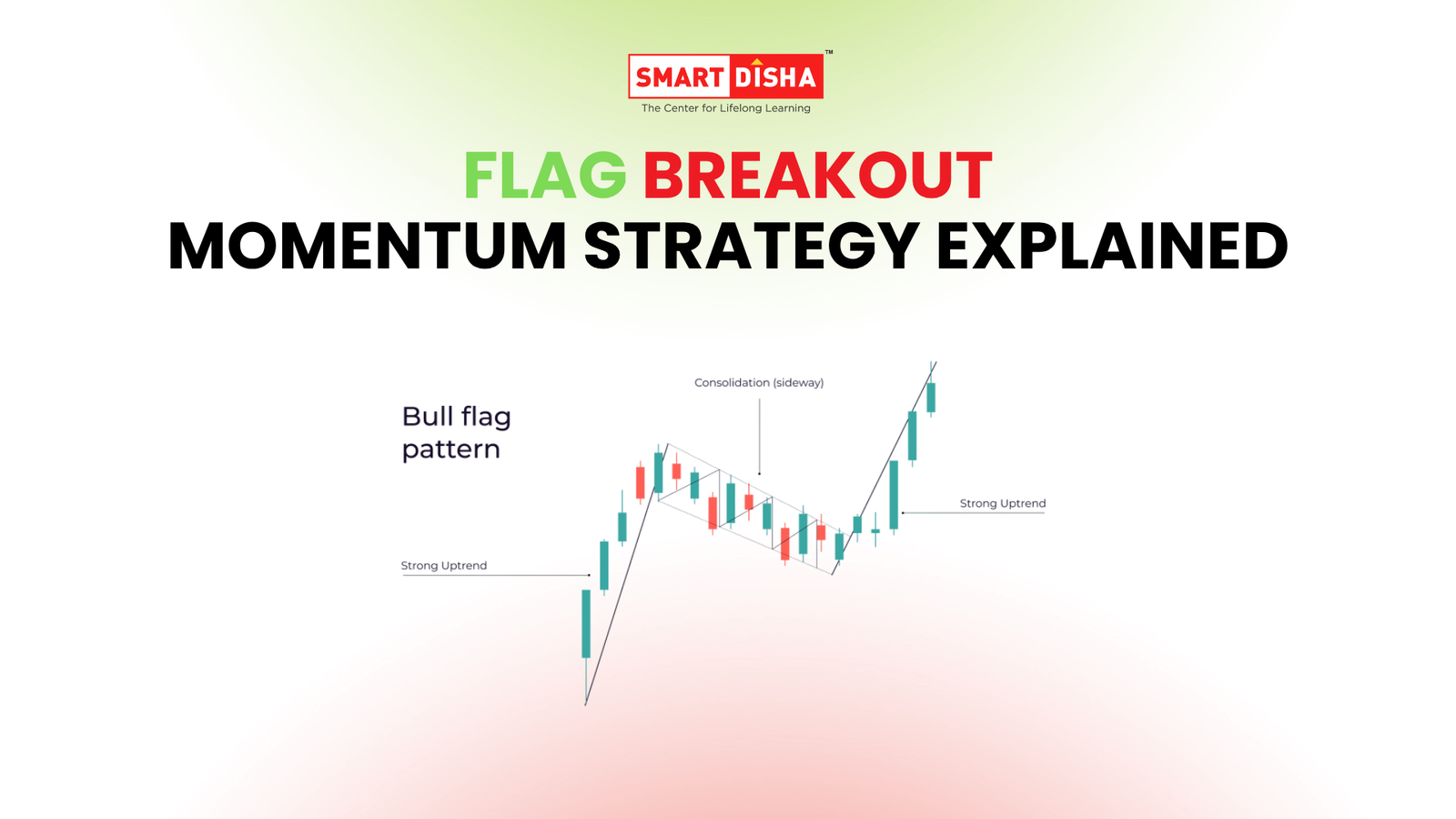
- Rising OI: When OI is rising, it indicates that new positions are being created. This often signals strong trending behavior. A rising OI combined with a rising price suggests a bullish sentiment, while rising OI with a falling price indicates bearish sentiment
- Declining OI: If OI is falling, this suggests that positions are being closed, and the market could be entering a phase of consolidation or reversal
2. Check Volume for Momentum
Volume refers to the number of contracts traded during a specific period. It shows the level of market momentum
- High Volume + Rising OI: This indicates strong momentum in the market, either bullish or bearish
- High Volume + Low OI: This could signal short-term volatility or market uncertainty
3. Analyze Strike Prices for Support and Resistance
One of the most effective ways to use the Option Chain is to look for the highest Open Interest (OI) at specific strike prices. These levels typically indicate support or resistance in the market
| Strike Price | Call OI | Put OI | Call Volume | Put Volume | Implied Volatility (IV) |
| 17,000 | 2,000 | 1,500 | 500 | 400 | 25% |
| 17,100 | 2,500 | 2,000 | 600 | 550 | 30% |
| 17,200 | 3,000 | 2,500 | 700 | 650 | 35% |
| 17,300 | 3,500 | 2,800 | 800 | 750 | 40% |
| 17,400 | 4,000 | 3,500 | 1,000 | 900 | 45% |
- High Call OI: If there is significant Call OI at a strike price, that level is likely to act as resistance. If the price moves closer to this strike, it might face selling pressure
- High Put OI: If there is significant Put OI at a strike price, it likely represents support. If the price moves down to this level, buyers may step in
4. Look at Implied Volatility (IV)
Implied Volatility (IV) is a key indicator of the market’s expectation of price movement.
- High IV: If IV is high, it indicates the market expects large price swings. This presents an opportunity for traders to buy options as their prices are likely to rise
- Low IV: Low IV suggests the market expects low volatility, and it may be more beneficial to sell options and collect premiums
5. Monitor the Greeks
Understanding Delta, Gamma, Theta, and Vega can provide a deeper insight into how an option will behave under different market conditions
- Delta: Measures the rate of change in the option price relative to the price movement of the underlying asset
- Gamma: Measures the rate of change in Delta as the price of the underlying asset changes
- Theta: Shows how much time decay impacts the option’s value
- Vega: Measures the option’s sensitivity to changes in volatility
FAQ
1. What is the significance of Open Interest in Option Chain?
Open Interest reflects the number of active contracts in the market. A high OI indicates market strength, and low OI suggests weaker market participation. It helps traders gauge whether the trend is likely to continue.
2. How can I use Implied Volatility (IV) in my trades?
High IV indicates potential for large price swings, making buying options more profitable. Low IV suggests a more stable market, and it may be better to sell options and capture the premium
3. What’s the best way to spot support and resistance levels in the Option Chain?
Support and resistance levels are generally identified by looking at high OI levels. High Call OI indicates resistance, and high Put OI indicates support
4. Can I trade using Option Chain analysis alone?
While Option Chain analysis is a powerful tool, it should not be used alone. Combine it with other technical indicators and proper risk management strategies to ensure you make well-informed decisions
Final Thought
Reading the NSE Option Chain like a professional trader requires knowledge, patience, and experience. By understanding how to analyze Open Interest, Volume, Strike Prices, and Implied Volatility, you can identify profitable opportunities in the market and make more strategic trading decisions
If you’re eager to enhance your trading skills, join Smart Disha Academy today! Our stock market course in ahmedabad are designed to help you master the skills needed to become a successful trader
Visit Smart Disha Academy and start your learning journey today!